The 5 Crowns in Heaven: What the Bible Says About Eternal Rewards

What are the five crowns in heaven, and why would a believer who is saved by grace care about rewards at all? Scripture answers both questions directly. The New Testament names five crowns promised to faithful believers, explains how they are received, and warns that a crown can be lost. This guide walks through each one, passage by passage.
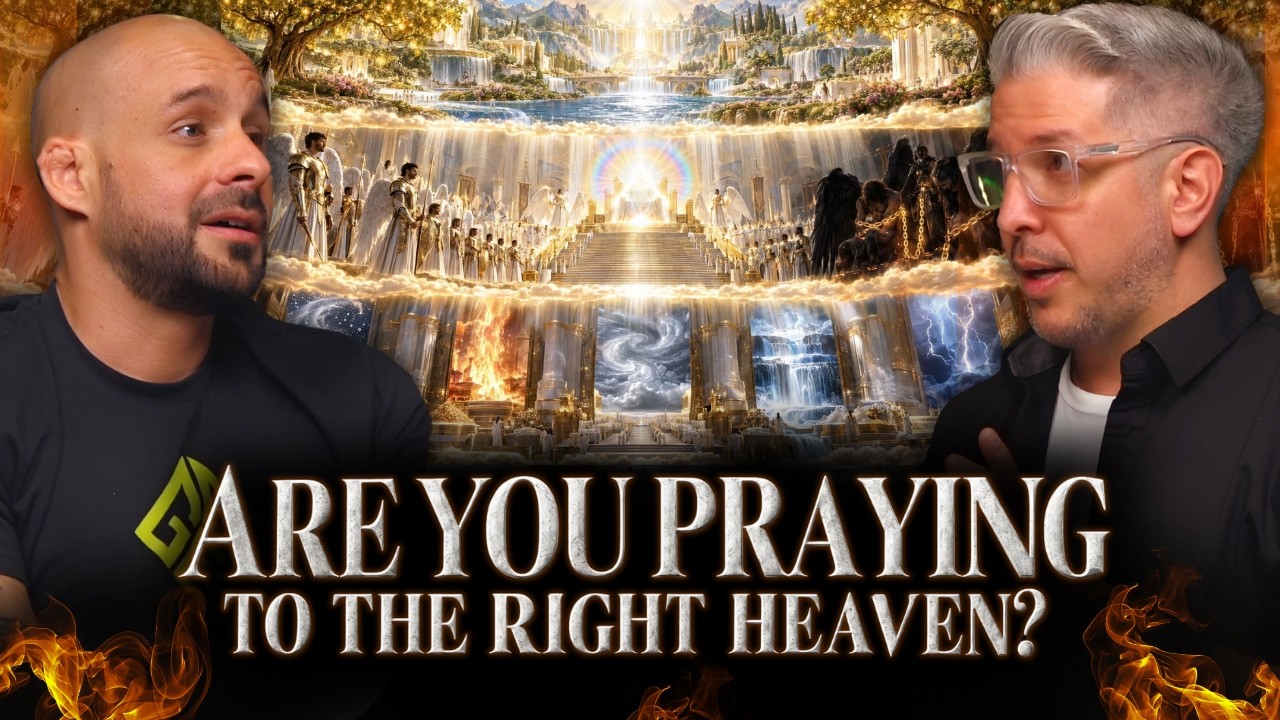
This teaching comes from an episode of The Shift Connection podcast. Watch the full conversation below, and subscribe to Faith Sower Ministries on YouTube for new episodes every week.
If Salvation Is Free, Why Does the Bible Talk About Rewards?
Near the end of Revelation, Yeshua says He is coming soon and that His reward is with Him, to repay each person according to what they have done (Revelation 22:12). Earlier, in Revelation 3:11, He tells believers to hold on to what they have so that no one takes their crown.
That second statement matters. A crown that can be taken is not salvation. Eternal life is a gift received by grace through faith. Crowns are something a believer can gain or lose beyond that gift. How you run, how you endure, what you build, and whether you finish all matter to the One who called you.
What Does "Crown" Mean in the New Testament?
The New Testament uses more than one Greek word for crown. Diadema is the royal diadem, the crown of a ruler. But when Paul tells believers to run for a crown, he uses a different word: stephanos, the victor's wreath awarded to an athlete who finished the race.
Paul's readers were not picturing someone inheriting a throne. They were picturing a runner who trained, denied himself, entered the stadium, and crossed the finish line. That image shapes everything the Bible says about the five crowns.
The Five Crowns in the Bible
1. The Imperishable Crown (1 Corinthians 9:24-27)
Paul compares the life of faith to the athletic games. Every competitor exercises self-control to win a wreath that withers. Believers run for a crown that never perishes.
This crown is tied to discipline and self-control. It is not about fame or talent. Paul was already preaching and carrying an enormous calling, yet he refused to let his body and appetites govern him, because public ministry can never substitute for private obedience. At the end of his life he did not celebrate how well known he had become. He celebrated that he had fought the good fight and finished the course (2 Timothy 4:7).
God never asked you to win somebody else's race. He asked you to finish yours.
2. The Crown of Rejoicing (1 Thessalonians 2:19-20)
Paul asks what his hope, joy, and crown of boasting will be when Yeshua returns, and his answer is people: the believers he poured his life into.
This makes discipleship eternal. When you share Yeshua with someone, teach children the scriptures, pray for a friend, or help someone find their way back to God, you may lose contact with them in this life. Some of the treasure waiting for you in eternity may have a face you recognize.
3. The Crown of Righteousness (2 Timothy 4:8)
Paul says a crown of righteousness is reserved for him, awarded by the Lord, the righteous judge, and not for him only but for everyone who has longed for His appearing.
Expecting Messiah's return is not meant to produce an obsession with dates. It is meant to change how you live today. If you truly long to see the King, you prepare differently.
4. The Crown of Life (James 1:12 and Revelation 2:10)
James connects this crown with enduring under trial and loving God. Yeshua tells the suffering believers in Smyrna to be faithful unto death, and He will give them the crown of life.
This is faith under pressure. Throughout history, and in many nations today, faithfulness has cost believers their families, careers, freedom, and lives. For others it means dying to personal dreams so that His desires become theirs. Messiah does not forget tested loyalty.
5. The Unfading Crown of Glory (1 Peter 5:2-4)
Peter instructs elders to shepherd God's flock willingly, not under compulsion, not for dishonest gain, and not by lording it over those entrusted to them, but as examples. When the Chief Shepherd appears, they will receive the unfading crown of glory.
A title does not earn this crown. How you shepherd does. The Chief Shepherd evaluates the shepherds: Did you feed His people? Did you protect them? Did you become an example to them, or did you use them to build yourself? Heaven's measurement of ministry may look very different from ours.
One point of precision: Revelation 1:3 promises a blessing to those who read, hear, and keep the prophecy, and it is sometimes listed as another crown. The blessing is real, but the text does not call it a crown, and there is no need to add what scripture does not name.
Are Salvation and Rewards the Same Thing?
Every crown involves something a believer does: discipline, discipleship, endurance, faithful shepherding, finishing the race. Yet salvation cannot be earned. Paul resolves the tension in 1 Corinthians 3:11-15.
The foundation is Yeshua the Messiah, and no one can lay another. What gets built on that foundation will be tested by fire: gold, silver, and precious stones, or wood, hay, and straw. If the work survives, the builder receives a reward. If it burns, the builder suffers loss, yet he himself is saved. The loss falls on the work, not the person. That is why salvation and reward cannot be collapsed into one thing.
Notice that the fire tests what sort of work it was, not how big it was. Something can impress people and not survive. Something done quietly for thirty years can endure. Paul adds that the Lord will bring hidden things to light and disclose the motives of hearts (1 Corinthians 4:5). We see accomplishment. God sees why it was done.
Paul also writes that we must all appear before the judgment seat of Messiah to receive what is due for what we did in the body (2 Corinthians 5:10). The Greek word is bema, a raised tribunal. It is not a ceremony of participation trophies. It is accountability, because our lives matter to Him.
Ephesians 2:8-10 holds the balance. We are saved by grace through faith, not by works. In the very next breath, Paul says we were created in Messiah Yeshua for good works. Grace does not make obedience meaningless.
Can a Believer Lose a Crown?
Scripture says yes. Yeshua warns believers to hold fast so that no one takes their crown (Revelation 3:11). John warns his readers to watch themselves so they do not lose what they have worked for, but receive a full reward (2 John 8).
Does someone else literally receive your crown? Scripture does not explain the mechanism, so neither should we. What it does say is that a crown can be forfeited, and that a full reward is worth guarding. Compromise, distraction, pride, deception, and weariness can all destroy what was faithfully built. Do not exchange eternal things for temporary things.
Hidden Obedience Is Never Hidden
In Matthew 6, Yeshua contrasts two audiences: people and the Father. You can give, pray, and fast in order to be noticed, and if human recognition was the reward you wanted, He says you have already received it. The Father sees what is done in secret.
Yeshua even says that giving a cup of cold water in His name will not lose its reward (Matthew 10:42). You may have forgotten moments that heaven has not: the prayer nobody heard, the sacrifice nobody thanked you for, the temptation you resisted when no one knew, the person you served who could never repay you.
Earth may never applaud what heaven intends to reward.
What Happens to the Crowns in the End?
If Yeshua Himself is our greatest treasure, why reward us at all? Revelation 4:10-11 offers a picture. John sees twenty-four elders wearing golden crowns around God's throne. They fall down before Him, cast their crowns before the throne, and declare that He is worthy to receive glory, honor, and power.
Revelation does not say these crowns are identical to the five crowns above, or that every believer performs this act. But it shows something about heavenly honor: the crown never becomes the center. God does. If you obeyed, who gave you the strength? If you endured, who sustained you? If you finished the race, who called you in the first place? As Paul wrote, it was not him, but the grace of God that was with him (1 Corinthians 15:10).
So the better question may not be how many crowns you can earn. It is this: what are you doing with what God entrusted to you?
The greatest thing about receiving a crown will never be wearing it. It will be standing before the One who made the race worth running.
Frequently Asked Questions
What are the five crowns mentioned in the Bible?
The imperishable crown (1 Corinthians 9:25), the crown of rejoicing (1 Thessalonians 2:19), the crown of righteousness (2 Timothy 4:8), the crown of life (James 1:12 and Revelation 2:10), and the unfading crown of glory (1 Peter 5:4).
Are the crowns in heaven literal?
Scripture promises the reward with certainty, but it does not require every crown to be a separate physical object. Paul called people his crown of rejoicing. The New Testament language of reward also includes treasure in heaven, inheritance, authority, and praise from God Himself.
Can you lose your crown?
Yes. Revelation 3:11 warns believers to hold fast so that no one takes their crown, and 2 John 8 warns against losing what has been worked for. This concerns reward, not salvation. In 1 Corinthians 3:15, the person whose work burns still is saved.
What is the bema seat of Christ?
Bema is the Greek word for a raised judgment seat. In 2 Corinthians 5:10, Paul says believers will appear before the judgment seat of Messiah to receive what is due for what they did in the body. It is an evaluation of a believer's works and motives, not a decision about salvation.
If I am saved by grace, do my works matter?
Works are not the foundation of salvation. Yeshua is. But Ephesians 2:10 says believers were created for good works, and 1 Corinthians 3 says what is built on the foundation will be tested. Grace does not make faithful labor meaningless. Grace makes it possible.
Study the Scriptures With Us
Faith Sower Ministries hosts Bible study groups open to believers anywhere in the world. If this teaching stirred you to run your race well, come study with us.


Comments